Elderflower Citrus Spring Cake
Highlighted under: Seasonal Kitchen Delights
Elderflower Citrus Spring Cake is a delightful treat that captures the essence of springtime in every bite. I love how the floral notes of elderflower pair perfectly with the zesty brightness of citrus. When I first baked this cake, the aromas wafting through my kitchen felt like a breath of fresh air. It’s a fantastic way to celebrate seasonal ingredients and impress family and friends at gatherings. Each slice is light, refreshing, and absolutely irresistible, making it my go-to cake for spring events.
Baking this Elderflower Citrus Spring Cake was a wonderful experience that left me enamored with its layers of flavor. I used fresh lemon and orange zest to amplify the citrus notes, and the elderflower syrup provided a unique touch that made this cake special. I recommend using high-quality elderflower syrup for the best results; it really makes a difference.
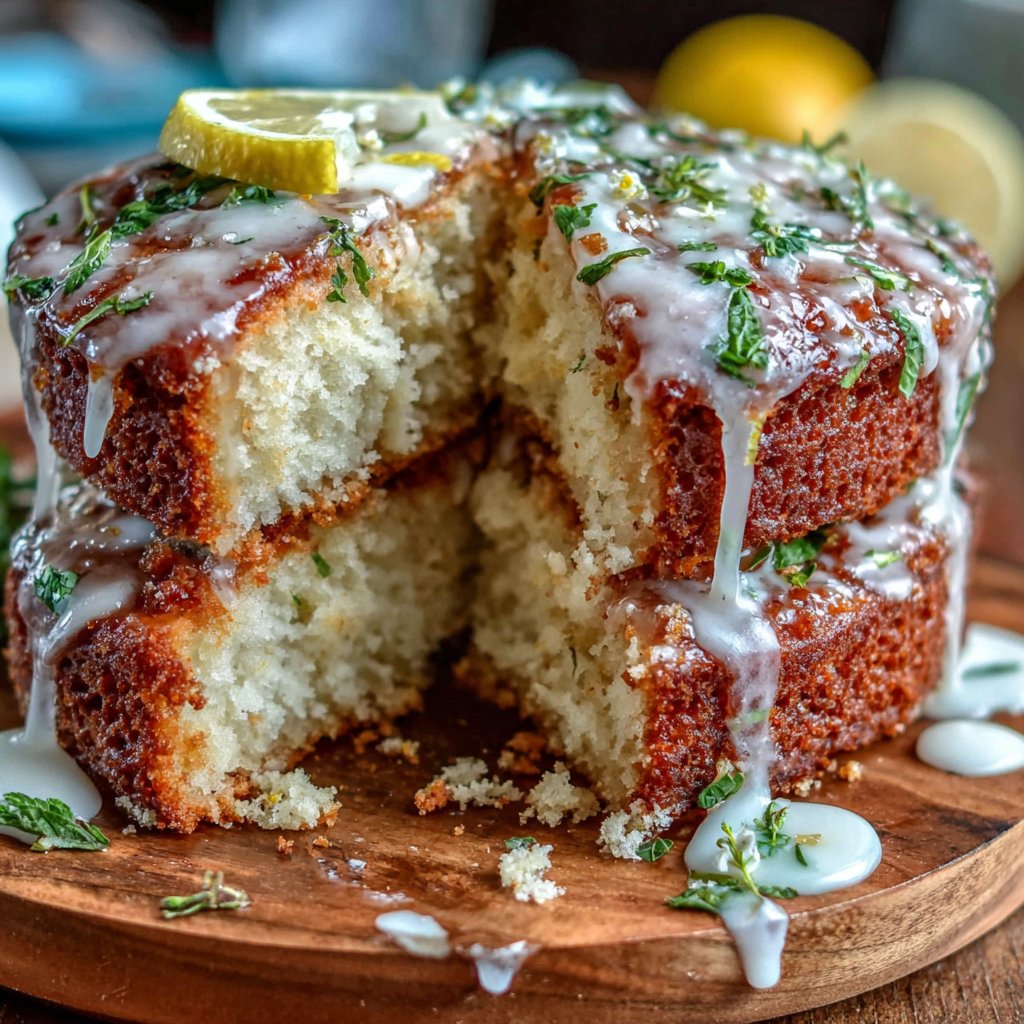
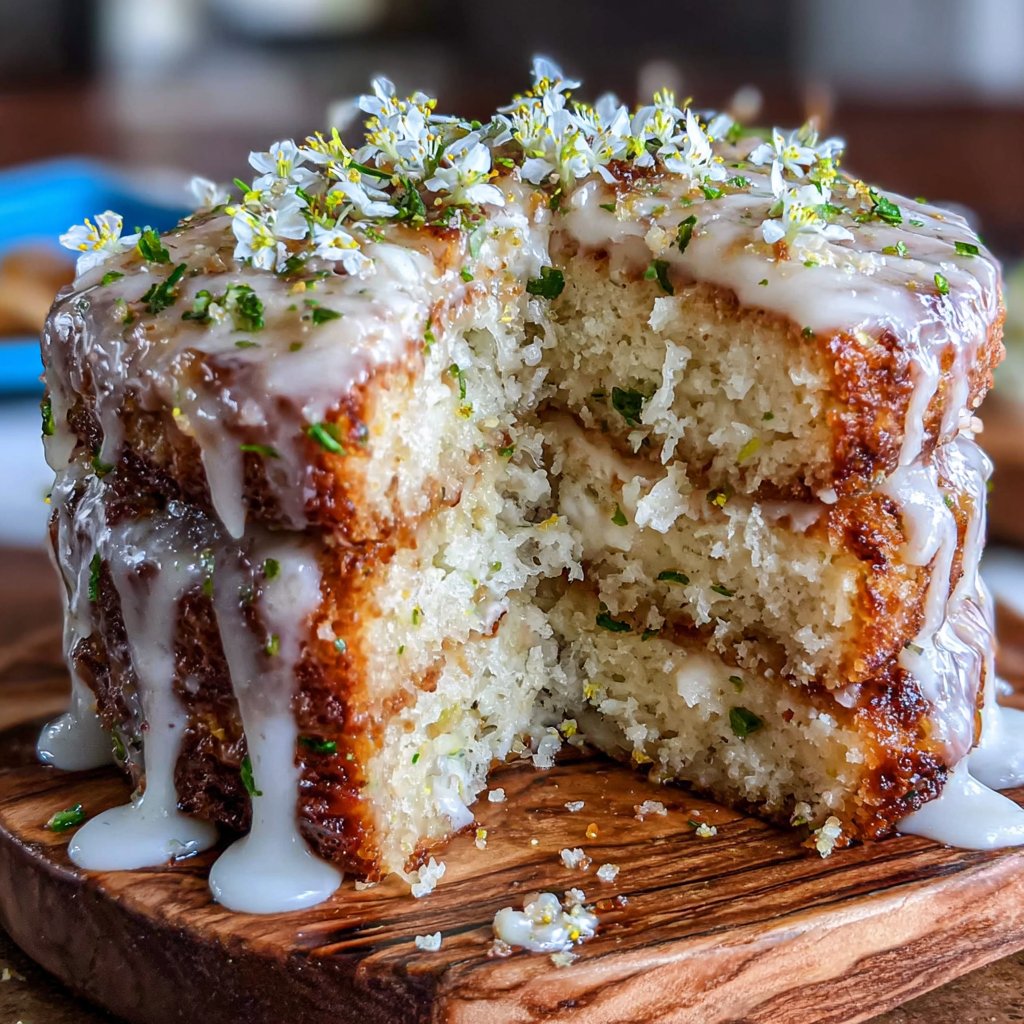
As I pulled the cake from the oven, the golden crust was simply irresistible. For a finishing touch, I topped it with a light icing made from elderflower syrup and lemon juice. It created a lovely glaze that complemented the moist texture of the cake perfectly. Trust me, this cake deserves a place in your spring baking repertoire!
Why You'll Love This Elderflower Citrus Spring Cake
- Bright and floral notes that evoke springtime bliss
- Delicately balanced sweetness with zesty citrus accents
- A show-stopping centerpiece for any spring gathering
Understanding Elderflower and Citrus Pairing
The key to the delightful flavor profile of this Elderflower Citrus Spring Cake lies in the harmonious pairing of elderflower and citrus. Elderflower syrup imparts a floral sweetness that complements the zesty notes of lemon and orange zest. When using elderflower syrup, it's important to choose a quality brand that enhances the cake without overpowering it. You can also experiment with homemade elderflower cordial if you're feeling adventurous; just make sure to balance the sugar levels accordingly to maintain the cake's sweetness.
For optimal flavor extraction, be sure to zest the lemon and orange before juicing. The zest contains essential oils that contribute to the cake’s overall aroma and taste. When zesting, use a microplane or zester to carefully avoid the bitter white pith beneath the colorful skin. Both fruits bring a refreshing acidity that cuts through the cake's sweetness, creating a light and airy texture that’s perfect for spring gatherings.
Perfecting the Cake Texture
Achieving the ideal texture in your cake is crucial for the best results. Ensure your butter is softened to room temperature for optimal creaming with sugar. This process incorporates air into the mixture, leading to a lighter cake. Cream the mixture until it's light and fluffy—a visual cue is a pale color change. Overmixing can lead to a dense cake, so mix just until the ingredients are incorporated when adding the flour and milk.
When baking, keep an eye on the cake's surface. It should rise nicely and develop golden edges, indicating that it's baking evenly. A toothpick inserted into the center should come out clean or with a few moist crumbs but no wet batter. If the cake sinks in the middle after baking, it may have been underbaked or the oven temperature was too low. A food thermometer can help you ensure the internal temperature reaches around 200°F (93°C).
Icing and Presentation Tips
When preparing the icing, make sure to sift the powdered sugar first to avoid any lumps that could ruin the smooth finish you're aiming for. The mixture should be thick enough to hold its shape but pourable enough to drizzle over the cake without clumping. Adjust the consistency with additional lemon juice or elderflower syrup, adding a little at a time until you achieve the desired thickness.
For an extra touch of elegance, consider adding edible flowers or fresh mint leaves as a garnish alongside the lemon zest on top of your cake. This not only adds visual appeal but also enhances the springtime theme. When serving, cut the cake into slices that showcase the beautiful layers and drizzle of icing—this cake is as much about presentation as it is about flavor.
Ingredients
Gather these fresh ingredients to create a delightful cake that sings of spring.
For the Cake
- 1 ½ cups all-purpose flour
- 1 cup sugar
- ½ cup unsalted butter, softened
- 3 large eggs
- 1/2 cup milk
- 1/4 cup elderflower syrup
- Zest of 1 lemon
- Zest of 1 orange
- 1 tablespoon baking powder
- 1/2 teaspoon salt
For the Icing
- 1 cup powdered sugar
- 2 tablespoons elderflower syrup
- 1 tablespoon lemon juice
- Zest of 1 lemon (for garnish)
These ingredients will come together to create a beautifully aromatic cake.
Instructions
Follow these steps to bake your Elderflower Citrus Spring Cake with ease.
Preheat the Oven
Preheat your oven to 350°F (175°C) and grease a 9-inch round cake pan.
Mix Dry Ingredients
In a bowl, whisk together the flour, baking powder, and salt.
Cream Butter and Sugar
In a separate bowl, cream the softened butter and sugar until light and fluffy.
Add Eggs and Elderflower Syrup
Beat in the eggs one at a time, followed by the elderflower syrup.
Combine Mixtures
Gradually add the dry mixture and milk alternately until well combined. Stir in the lemon and orange zest.
Bake the Cake
Pour the batter into the prepared pan and bake for 40-45 minutes, or until a toothpick comes out clean.
Make the Icing
While the cake cools, whisk together the powdered sugar, elderflower syrup, and lemon juice until smooth.
Ice the Cake
Once the cake has cooled completely, drizzle the icing over the top and garnish with lemon zest.
Enjoy your delightful creation with friends and family!
Pro Tips
- Make sure all your ingredients are at room temperature for the best results. You can also enhance the flavor by adding fresh herbs like mint or basil to the icing.
Make-Ahead and Storage
If you're planning for a gathering, this Elderflower Citrus Spring Cake can be baked in advance. Allow the cake to cool completely before wrapping it tightly in plastic wrap and storing it at room temperature for up to two days, or in the refrigerator for up to a week. You can also freeze the uniced cake; simply double-wrap it in plastic wrap and foil, and it will stay fresh for about three months.
For serving, thaw the cake in the refrigerator overnight. Once ready to serve, whip up the icing fresh for the best texture and flavor. This not only ensures the cake looks its best but also allows you to enjoy the delightful flavors at their peak.
Variations to Try
While the elderflower and citrus combination is a winner, you can easily adjust this recipe to include other flavors. Consider substituting the elderflower syrup with a floral-infused honey or lavender syrup for unique twists. You could also swap the lemon or orange zest with other citrus zest like lime or grapefruit, which can introduce an entirely new profile while still keeping the refreshing essence of spring.
For a twist on texture, you might add poppy seeds to the batter for a delightful crunch, or even fold in some freshly cut fruit pieces like berries or peaches for added moisture and flavor. Each variation allows you to customize the cake to your preferences while celebrating the delightful spring ingredients.
Questions About Recipes
→ Can I use a different type of syrup instead of elderflower?
Yes, you can substitute it with another floral syrup or even honey, but the taste will vary.
→ How do I store the cake?
Store the cake in an airtight container at room temperature for up to three days.
→ Can I make this cake gluten-free?
Absolutely! Substitute all-purpose flour with a gluten-free flour blend, ensuring it has xanthan gum included.
→ What can I serve with the cake?
This cake pairs beautifully with a dollop of whipped cream or a light fruit compote.
Elderflower Citrus Spring Cake
Created by: The Cheflinaskitchen Team
Recipe Type: Seasonal Kitchen Delights
Skill Level: Intermediate
Final Quantity: 12 servings
What You'll Need
For the Cake
- 1 ½ cups all-purpose flour
- 1 cup sugar
- ½ cup unsalted butter, softened
- 3 large eggs
- 1/2 cup milk
- 1/4 cup elderflower syrup
- Zest of 1 lemon
- Zest of 1 orange
- 1 tablespoon baking powder
- 1/2 teaspoon salt
For the Icing
- 1 cup powdered sugar
- 2 tablespoons elderflower syrup
- 1 tablespoon lemon juice
- Zest of 1 lemon (for garnish)
How-To Steps
Preheat your oven to 350°F (175°C) and grease a 9-inch round cake pan.
In a bowl, whisk together the flour, baking powder, and salt.
In a separate bowl, cream the softened butter and sugar until light and fluffy.
Beat in the eggs one at a time, followed by the elderflower syrup.
Gradually add the dry mixture and milk alternately until well combined. Stir in the lemon and orange zest.
Pour the batter into the prepared pan and bake for 40-45 minutes, or until a toothpick comes out clean.
While the cake cools, whisk together the powdered sugar, elderflower syrup, and lemon juice until smooth.
Once the cake has cooled completely, drizzle the icing over the top and garnish with lemon zest.
Extra Tips
- Make sure all your ingredients are at room temperature for the best results. You can also enhance the flavor by adding fresh herbs like mint or basil to the icing.
Nutritional Breakdown (Per Serving)
- Calories: 300 kcal
- Total Fat: 10g
- Saturated Fat: 6g
- Cholesterol: 70mg
- Sodium: 180mg
- Total Carbohydrates: 46g
- Dietary Fiber: 1g
- Sugars: 25g
- Protein: 3g